
ORGANICIDAD Museo Barjola
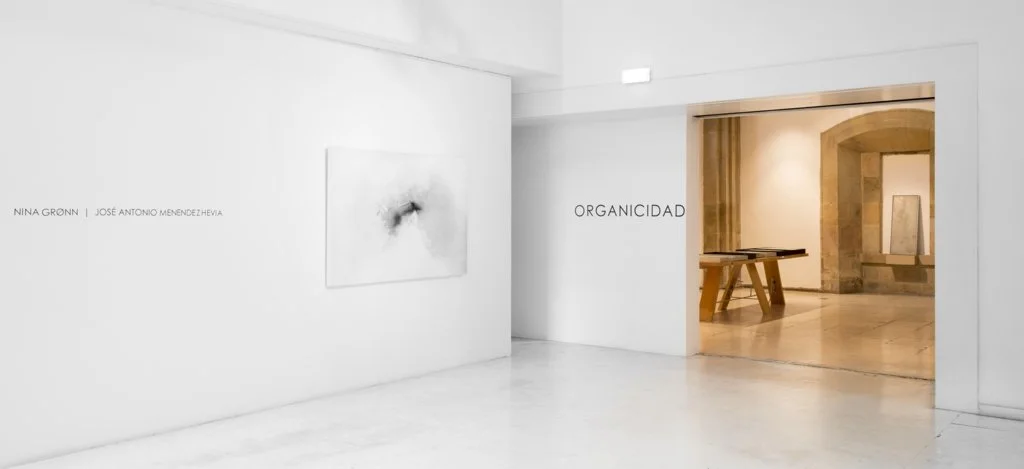
ORGANICIDAD Museo Barjola, Gijón. Foto: Fernándo González
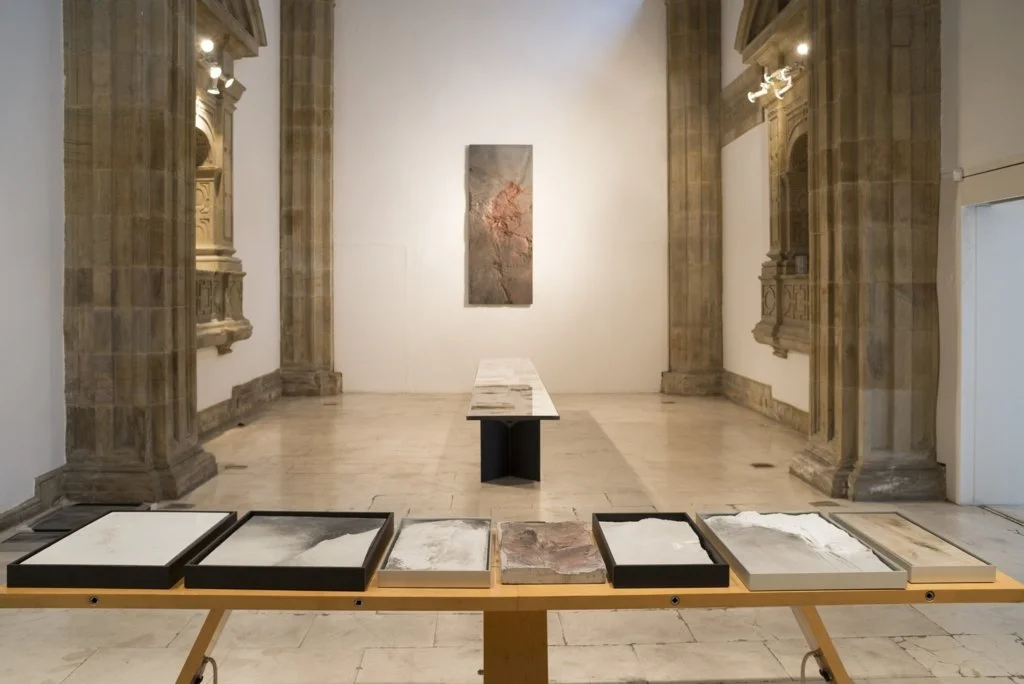
ORGANICIDAD i Capilla de la Trinidad fra 1676 i Museo Barjola, Gijón. Foto: Fernándo González
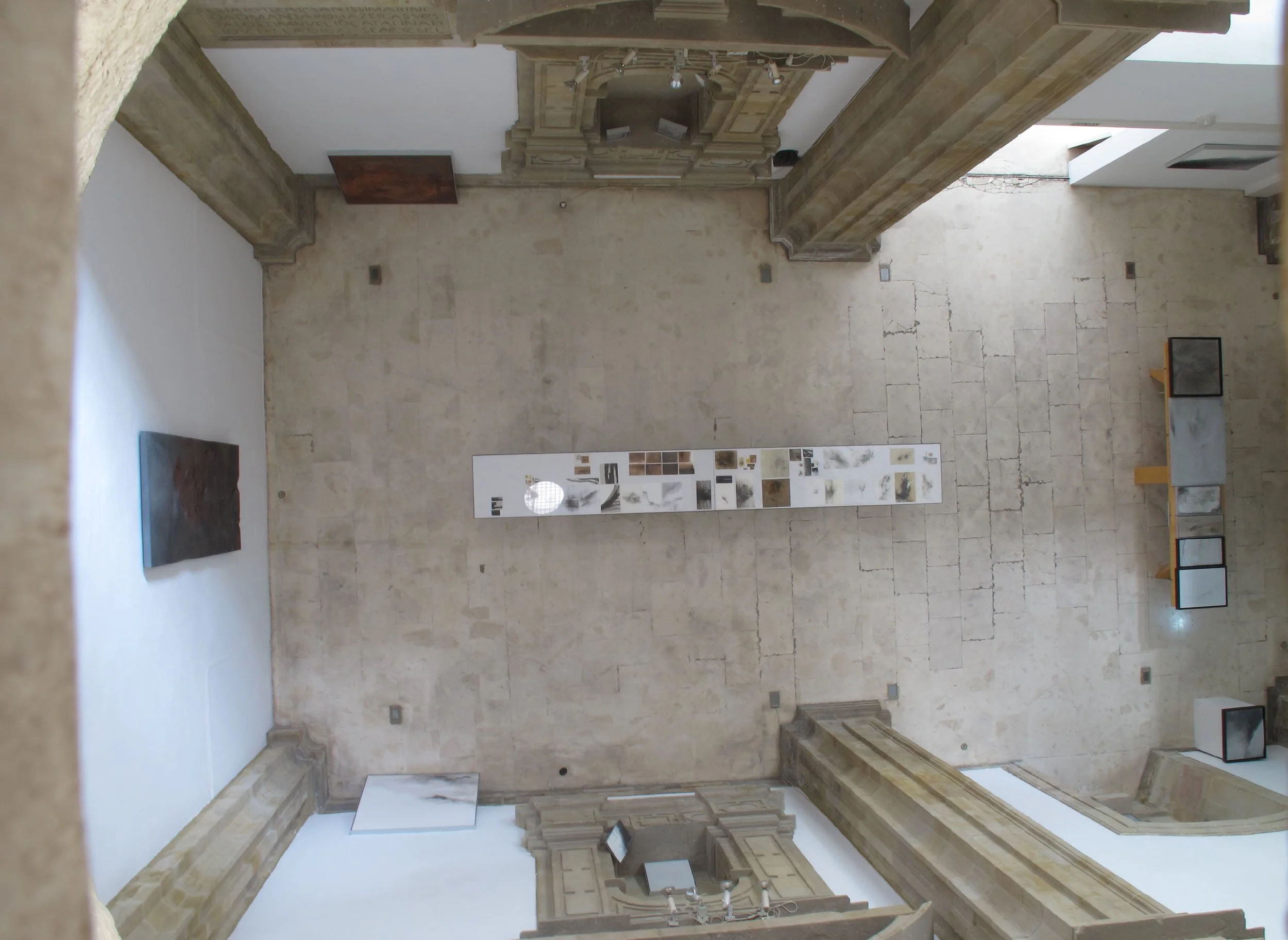
ORGANICIDAD i Capilla de la Trinidad fra 1676 i Museo Barjola, Gijón
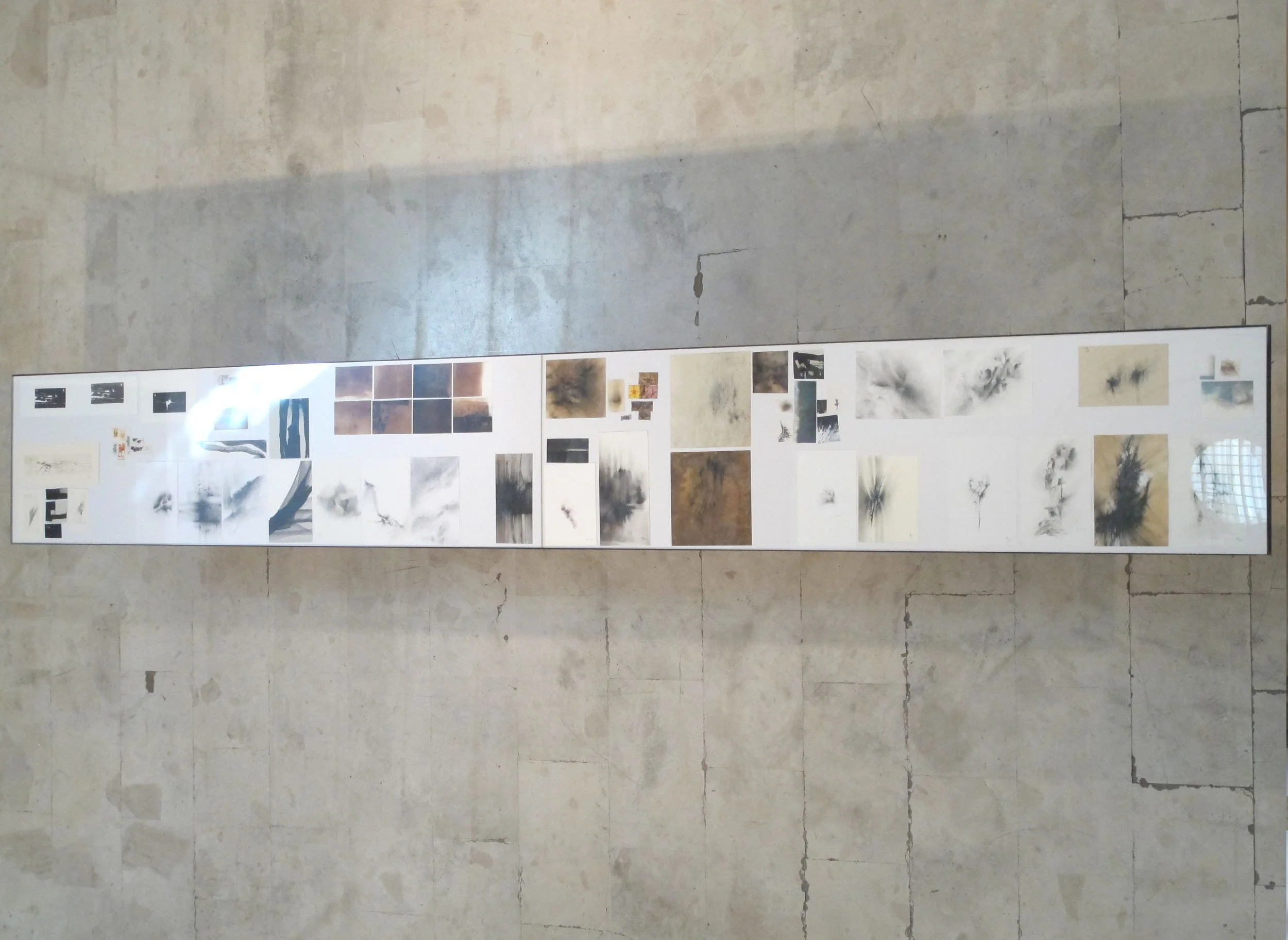
ORGANICIDAD Museo Barjola, Gijón
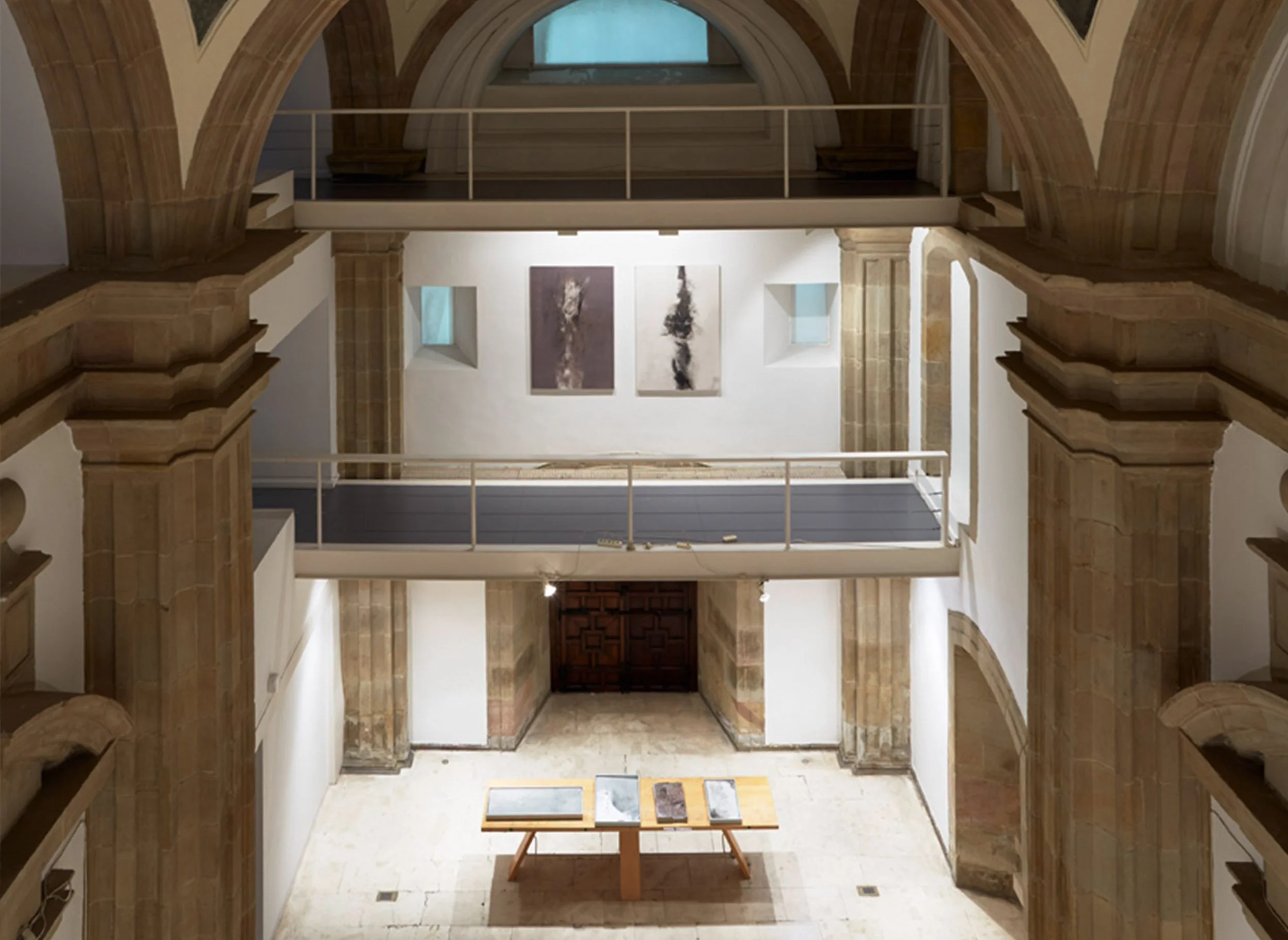
ORGANICIDAD i Capilla de la Trinidad fra 1676 i Museo Barjola, Gijón. Foto: Marcos Morilla
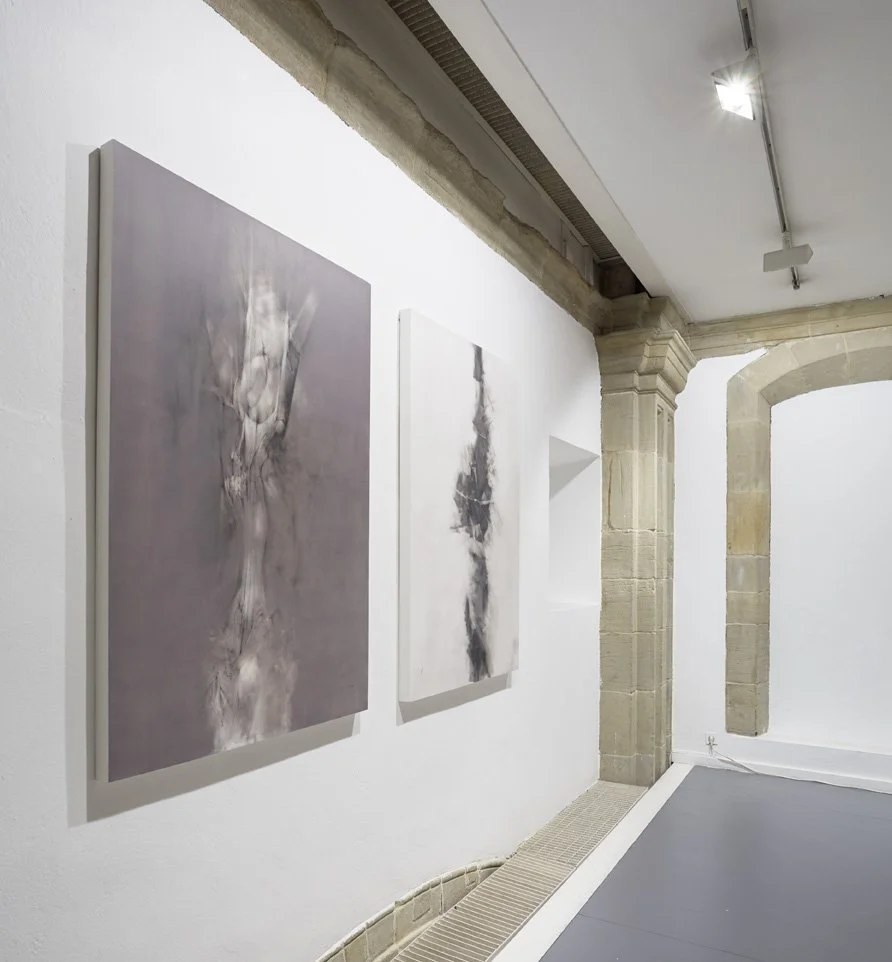
ORGANICIDAD Museo Barjola, Gijón. Foto: Marcos Morilla
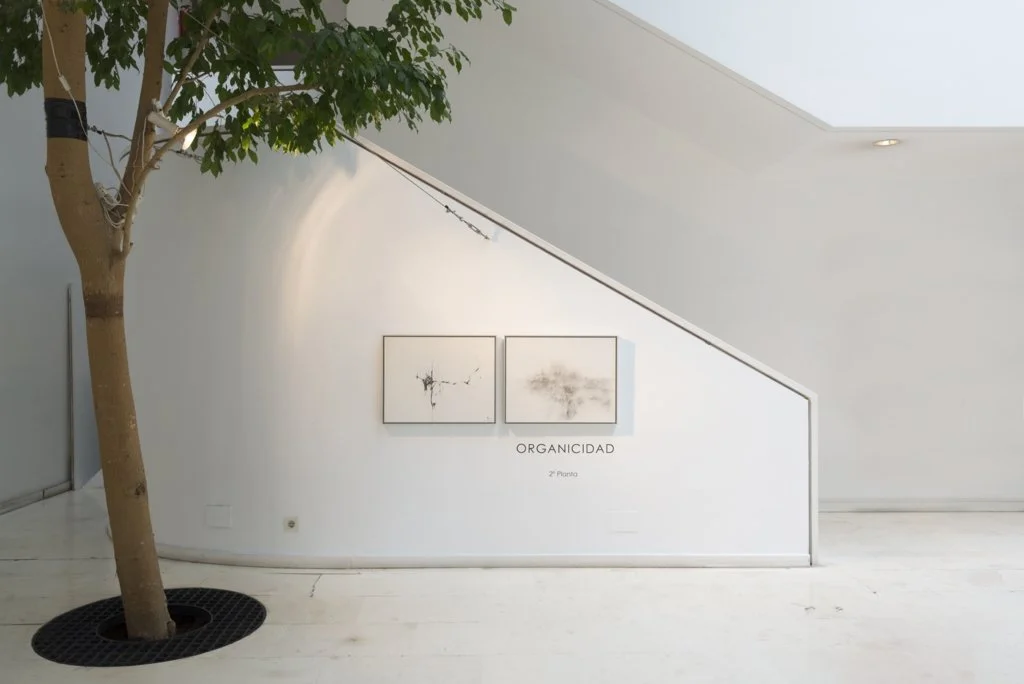
ORGANICIDAD Museo Barjola, Gijón. Foto: Fernándo González
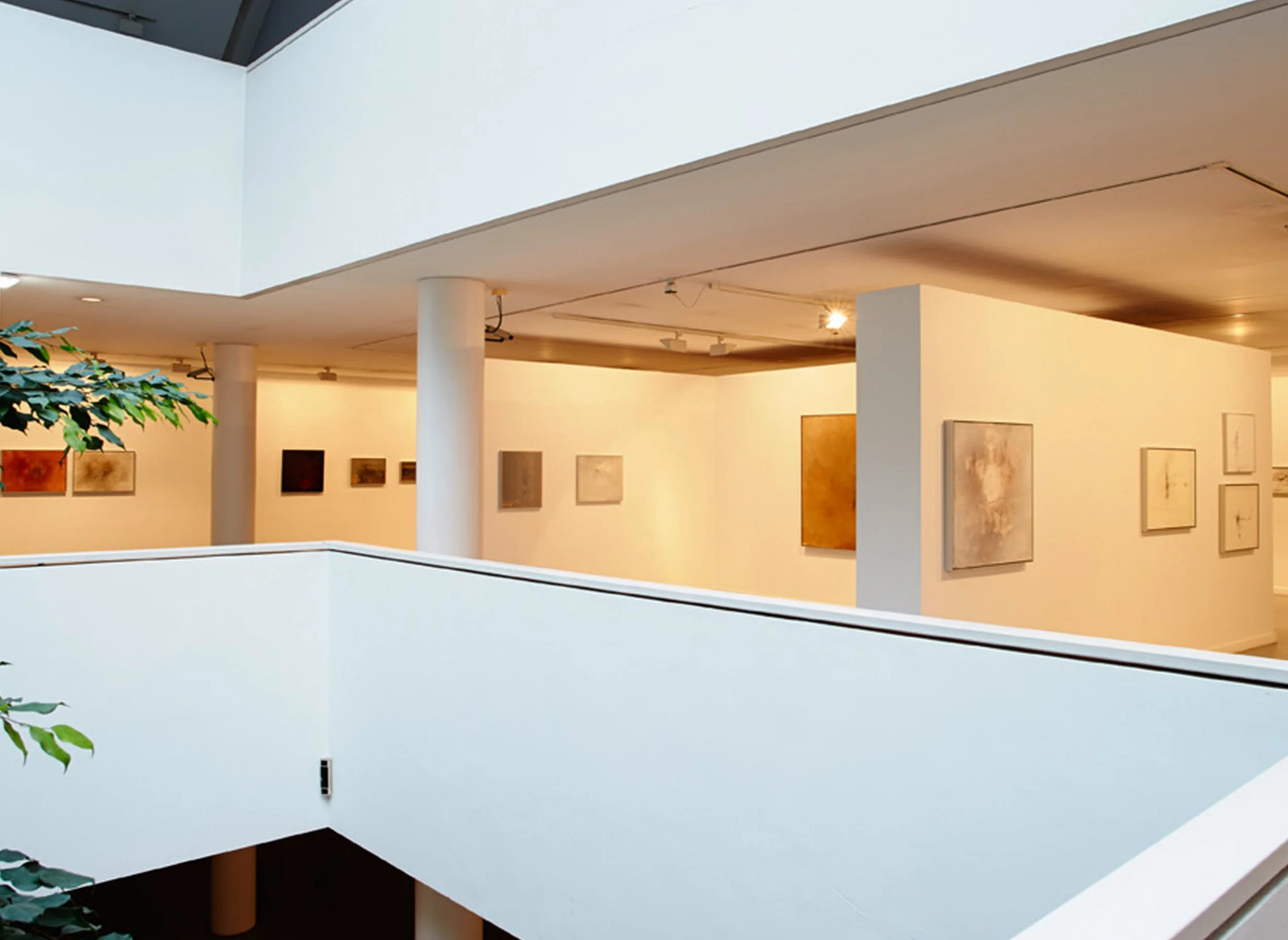
ORGANICIDAD Museo Barjola, Gijón. Foto: Marcos Morilla
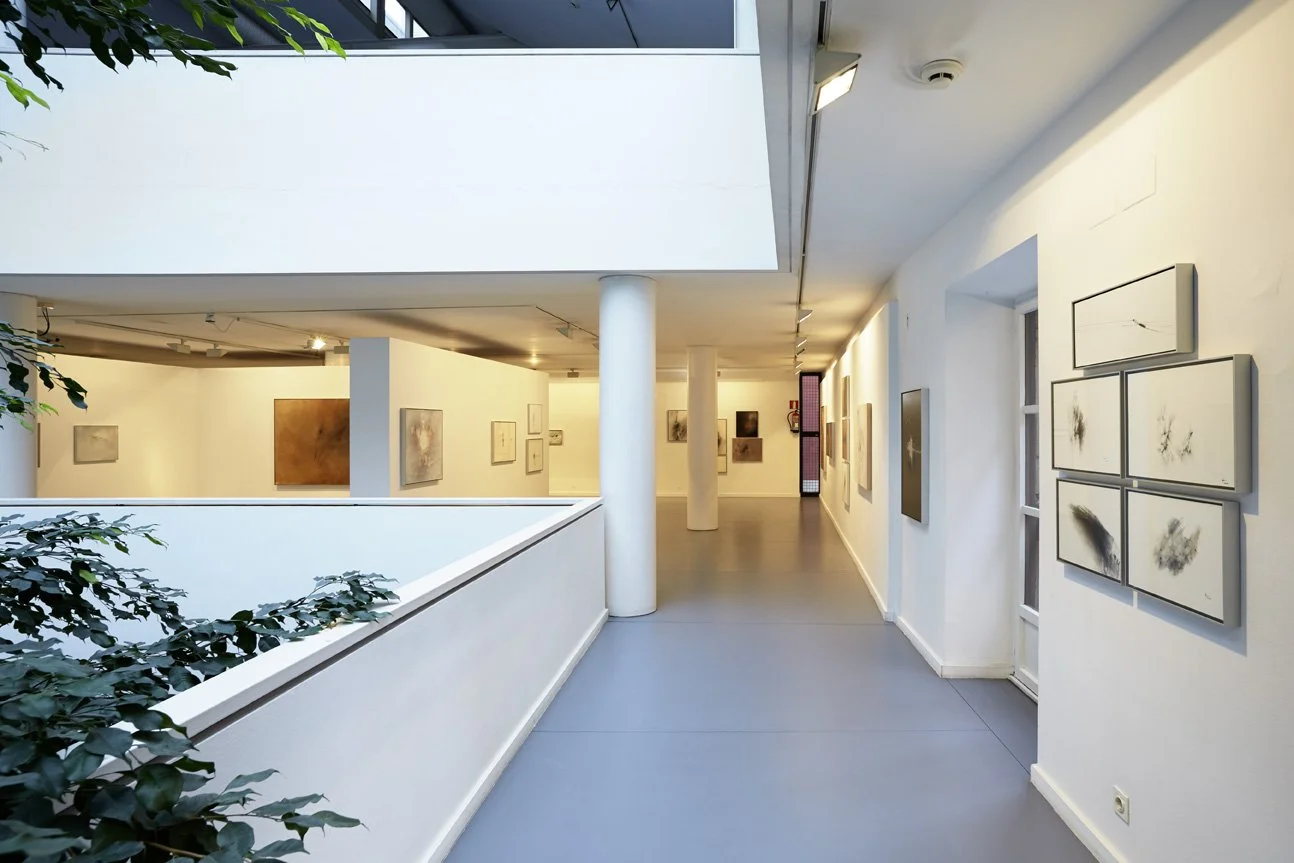
ORGANICIDAD Museo Barjola, Gijón. Foto: Marcos Morilla
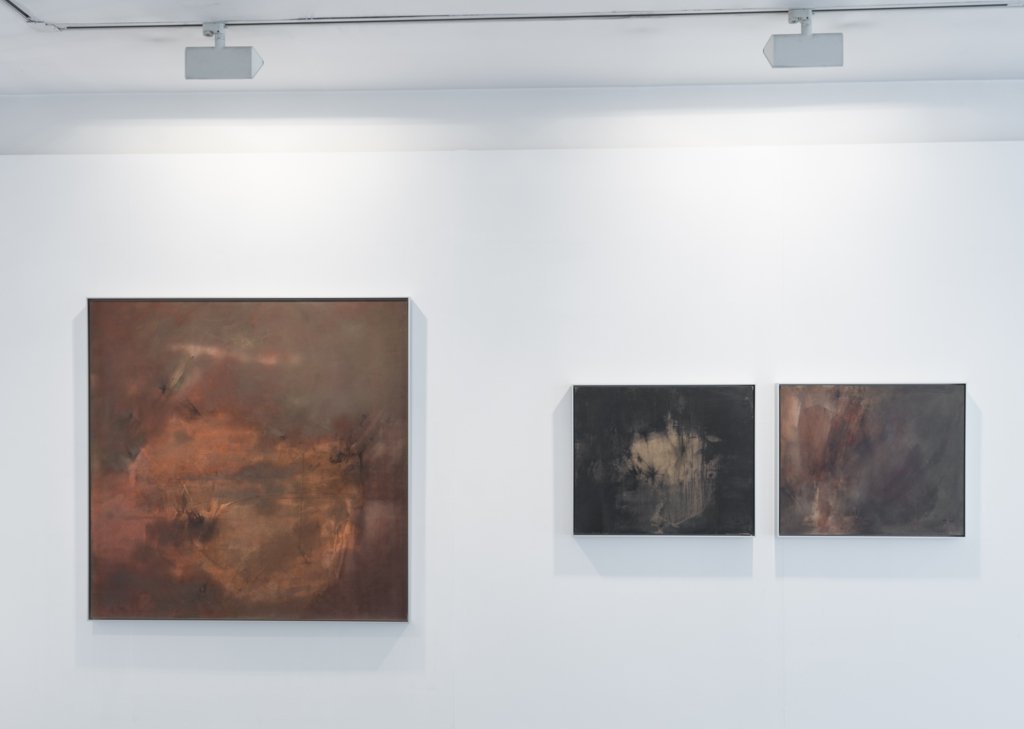
ORGANICIDAD Museo Barjola, Gijón. Foto: Fernándo González
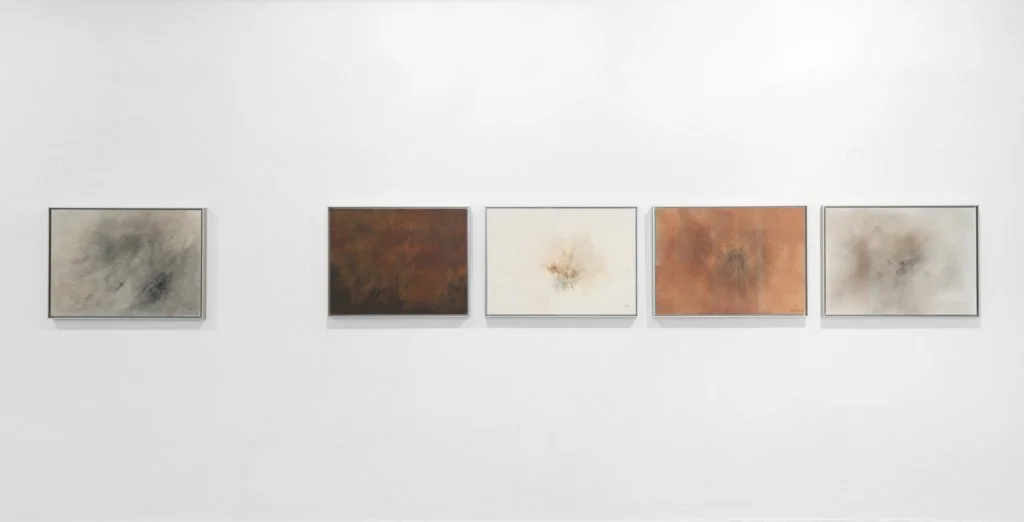
ORGANICIDAD Museo Barjola, Gijón. Foto: Fernándo González
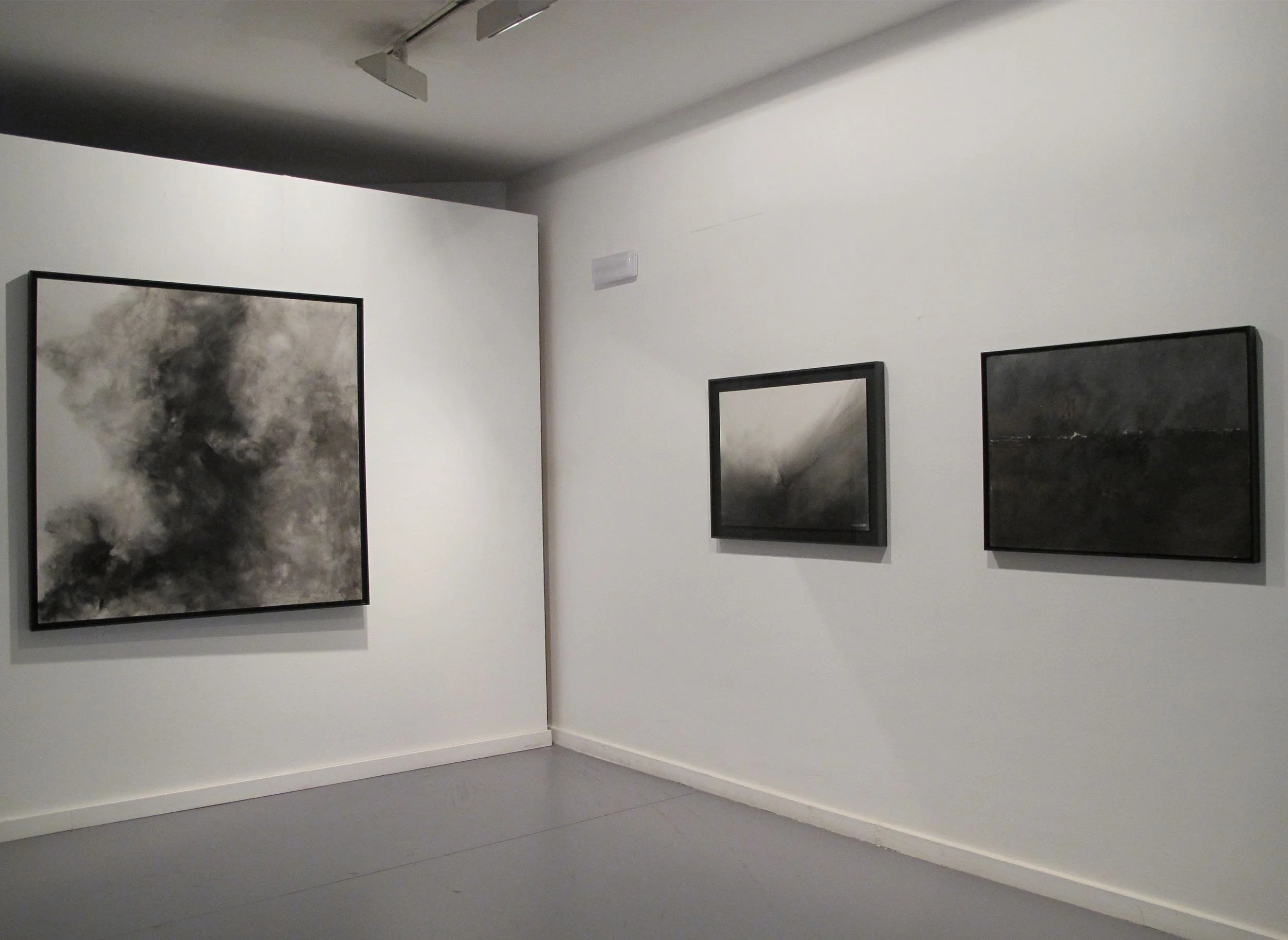
ORGANICIDAD Museo Barjola, Gijón
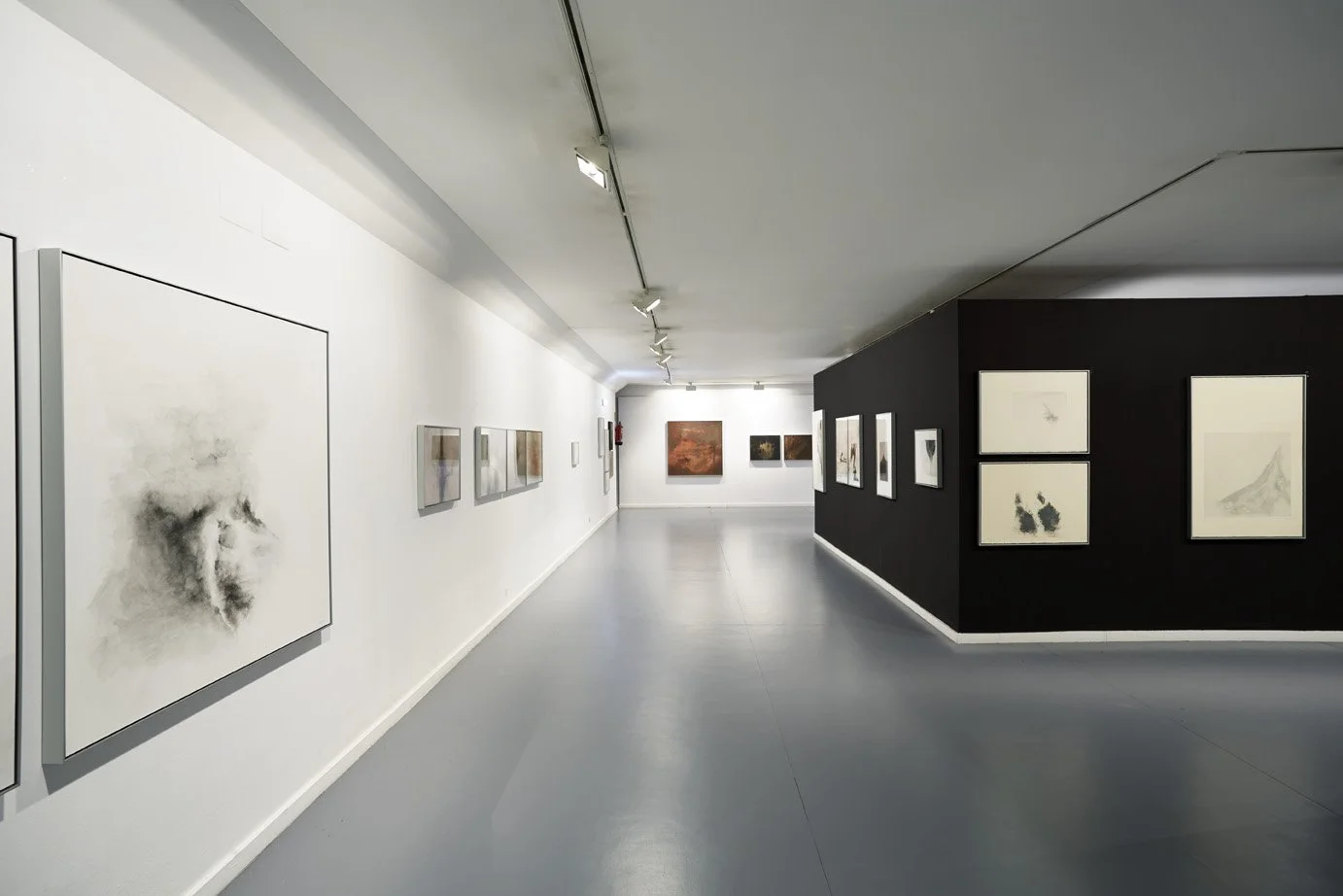
ORGANICIDAD Museo Barjola, Gijón Foto: Marcos Morilla
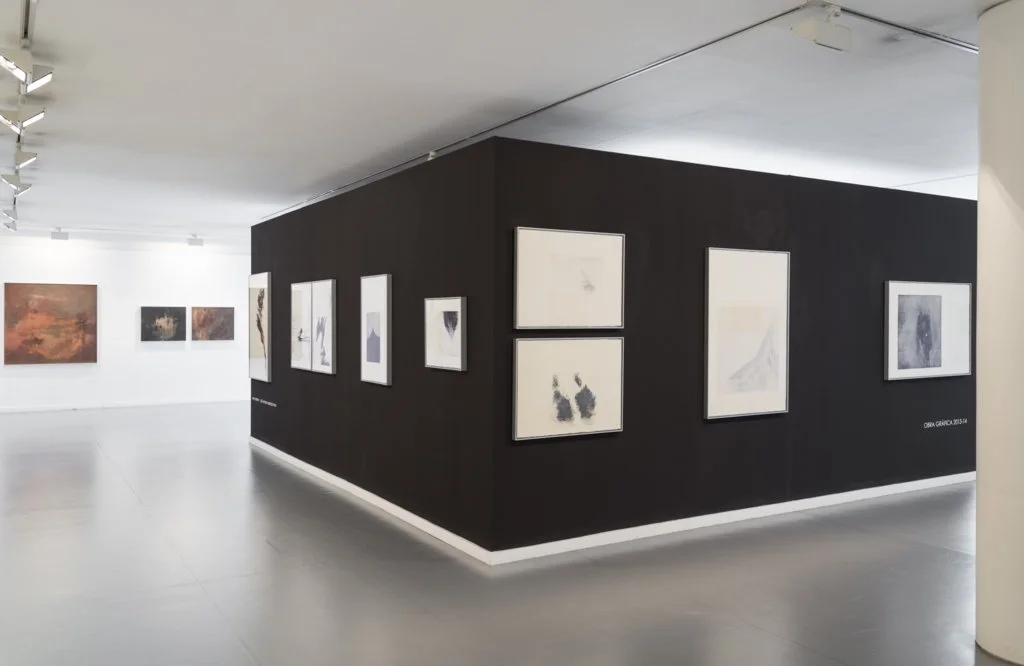
ORGANICIDAD Museo Barjola, Gijón. Foto: Marcos Morilla
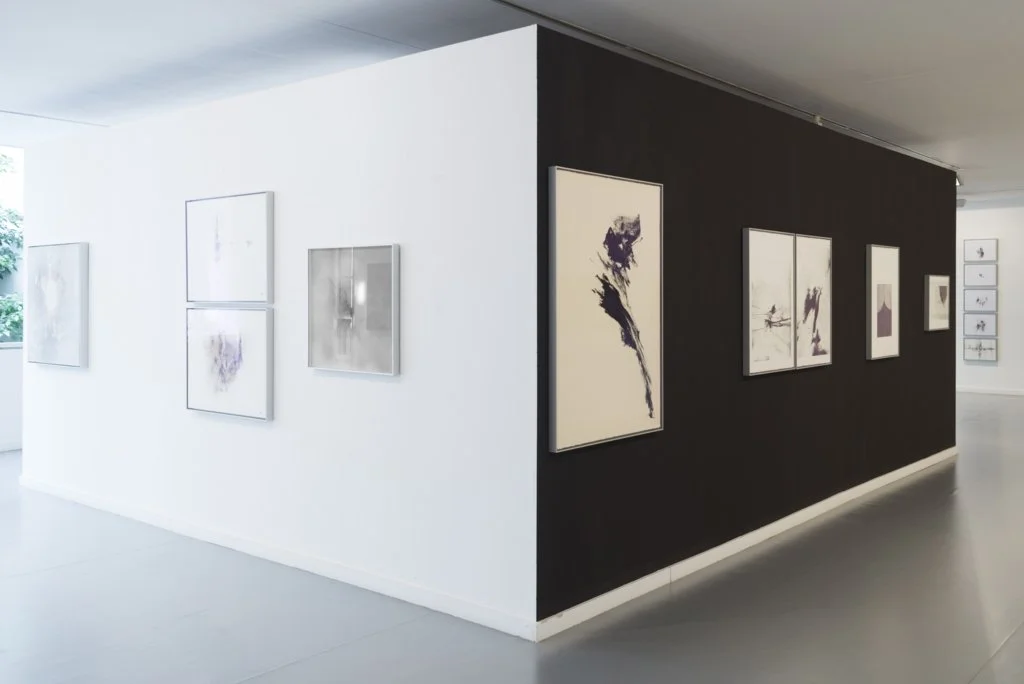
ORGANICIDAD Museo Barjola, Gijón. Foto: Marcos Morilla
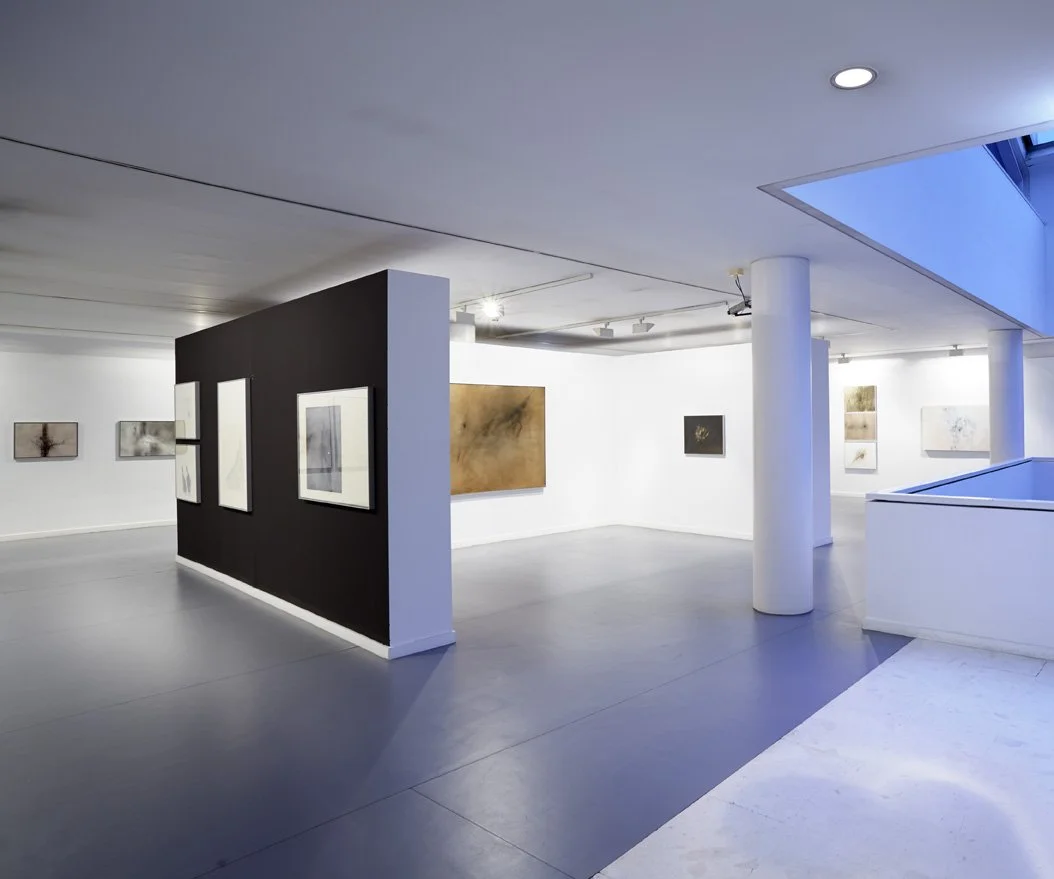
ORGANICIDAD Museo Barjola, Gijón. Foto: Marcos Morilla
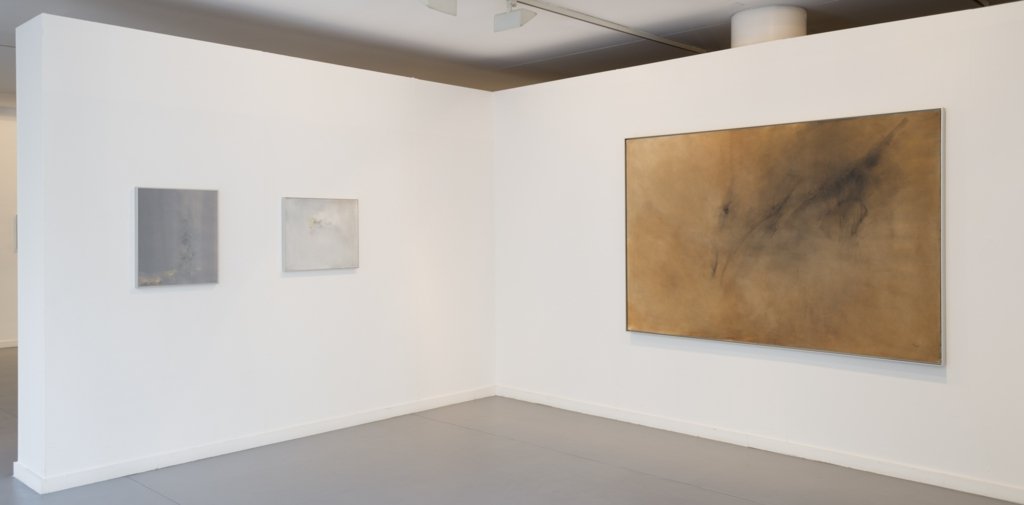
ORGANICIDAD Museo Barjola, Gijón. Foto: Marcos Morilla
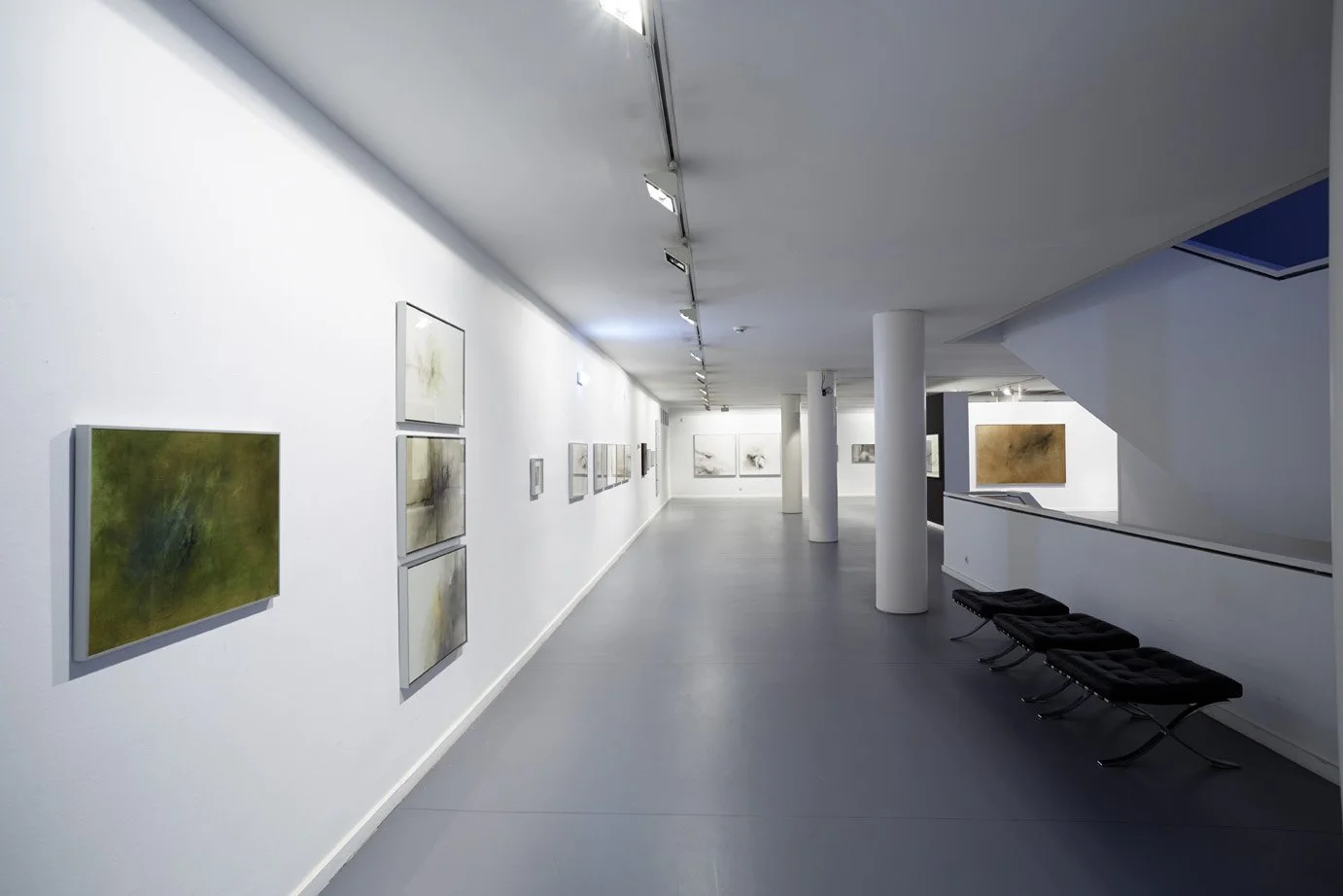
ORGANICIDAD Museo Barjola, Gijón. Foto: Marcos Morilla
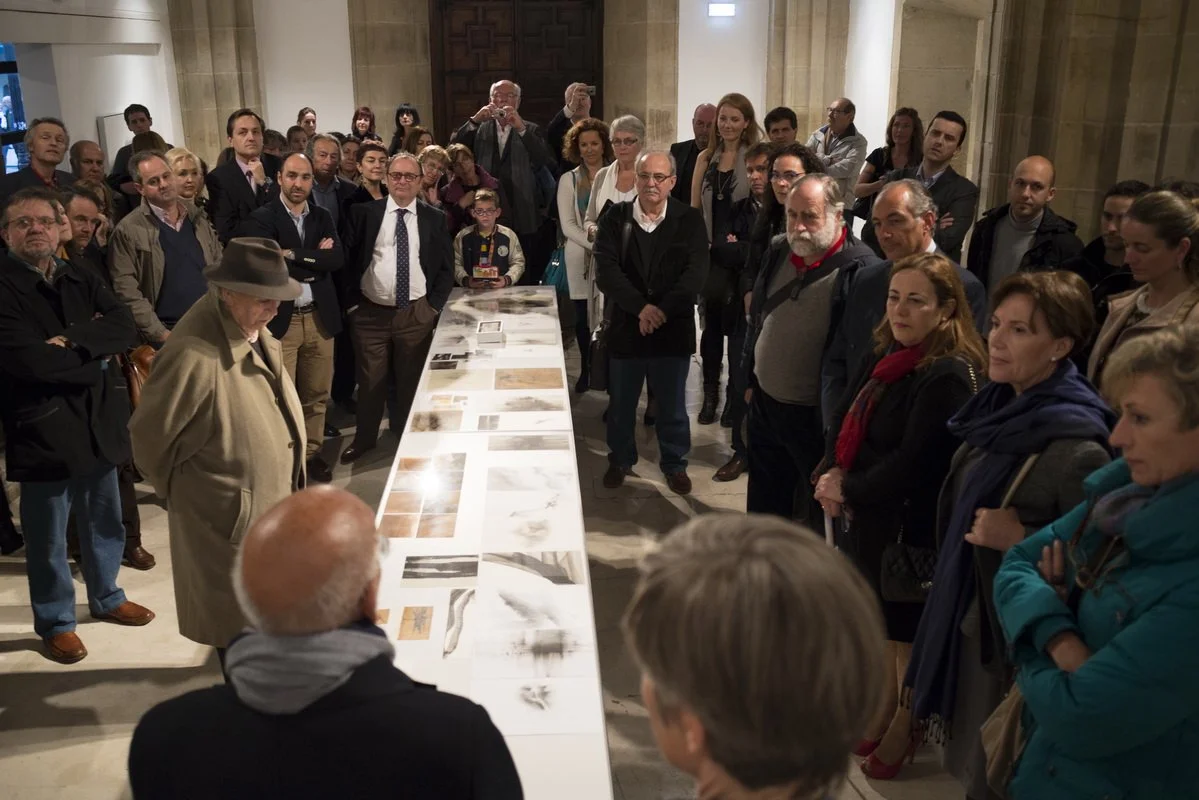
Vernissage ORGANICIDAD Museo Barjola, Gijón. Foto: Fernándo González
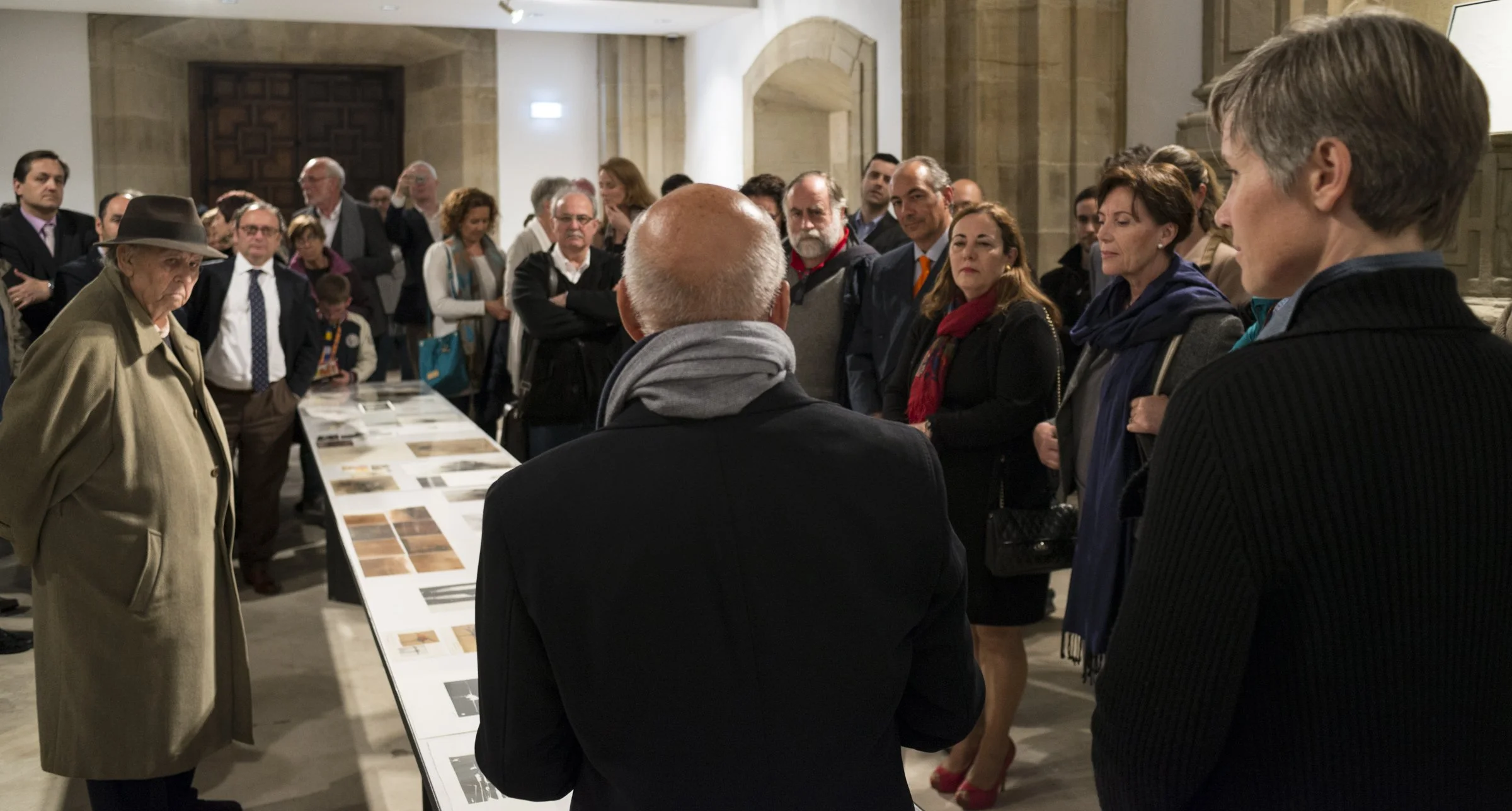
Vernissage ORGANICIDAD Museo Barjola, Gijón. Foto: Fernándo González
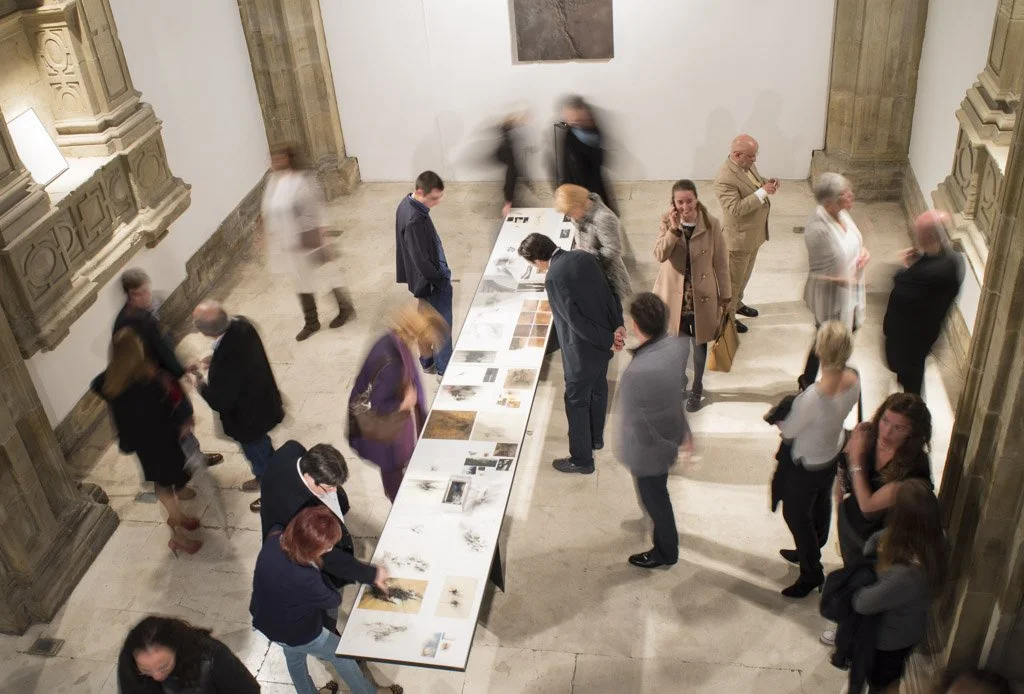
Vernissage ORGANICIDAD Museo Barjola, Gijón. Foto: Fernándo González
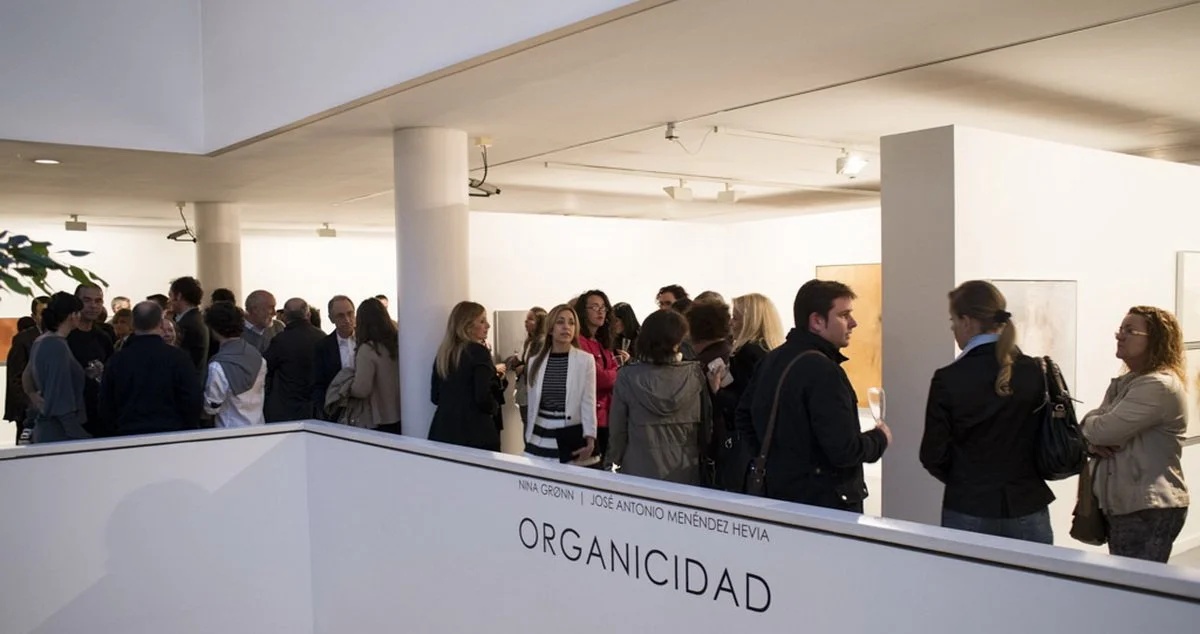
Vernissage ORGANICIDAD Museo Barjola, Gijón. Foto: Fernándo González
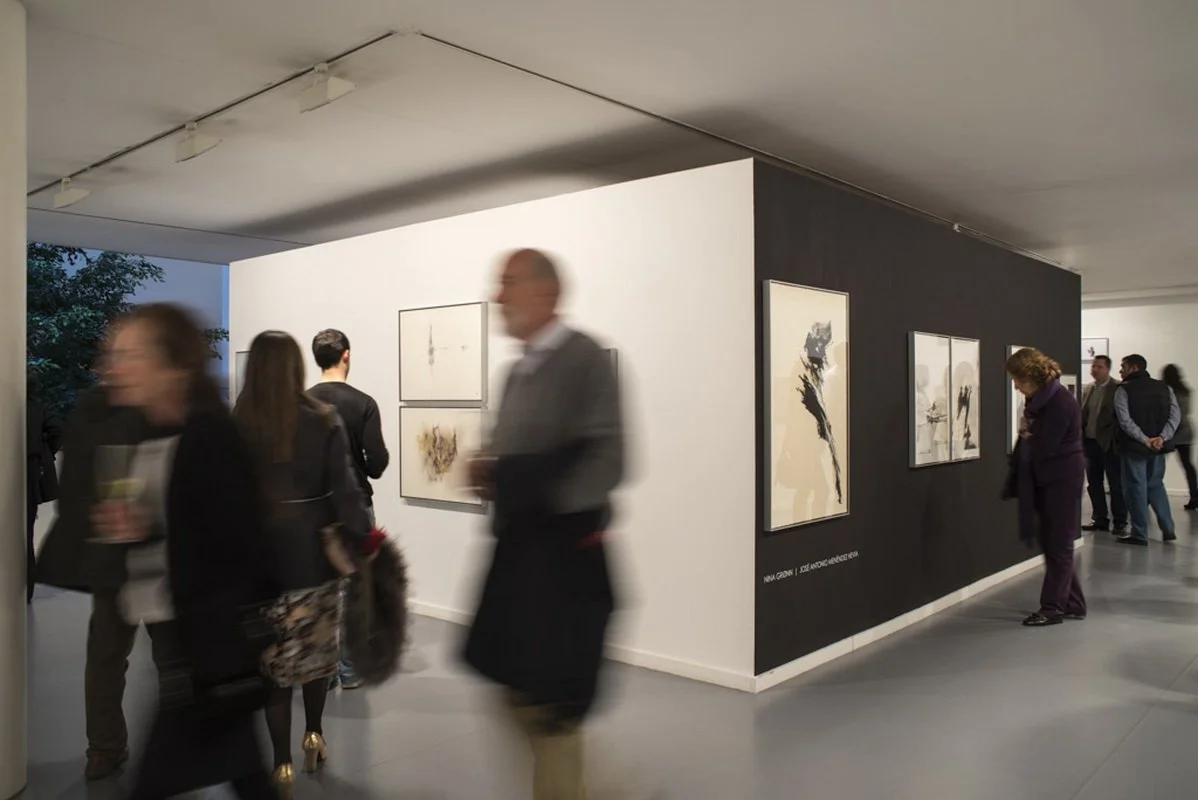
Vernissage ORGANICIDAD Museo Barjola, Gijón. Foto: Fernándo González
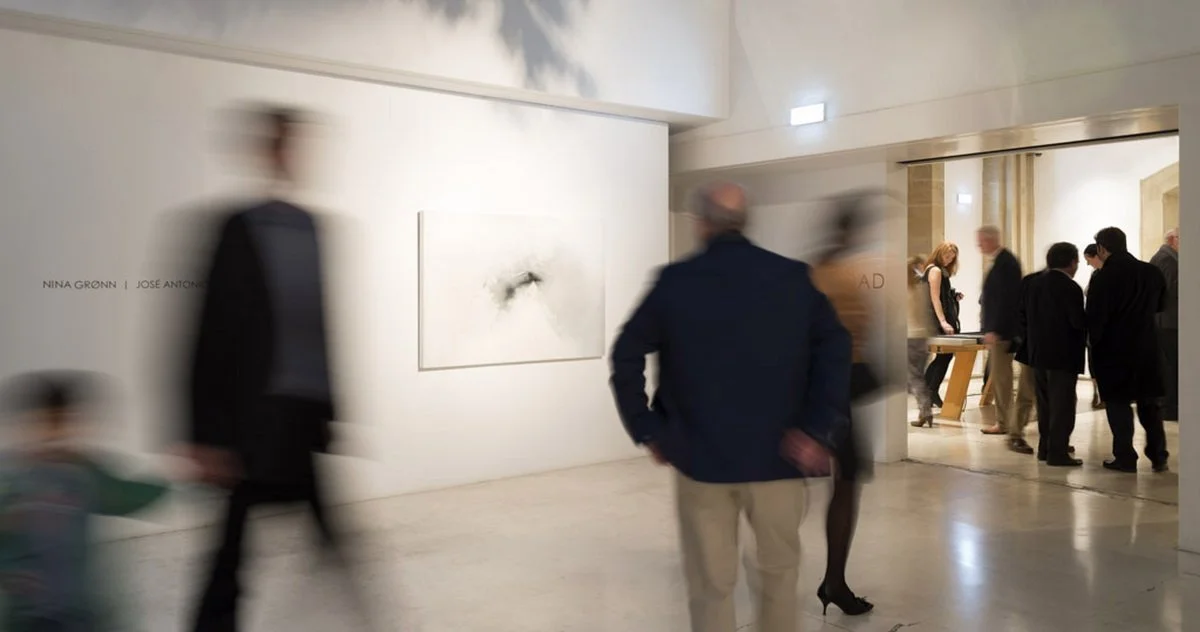
Vernissage ORGANICIDAD Museo Barjola, Gijón. Foto: Fernándo González
“An intriguing spectacle of art and “organicidad” - review by art critic Rubén Suárez
The José Antonio Menéndez and Nina Grønn exhibition about nature and based on the principles of abstraction was such a pleasant surprise
José Antonio Menéndez and Nina Grønn. “Organicidad” Painting and sculpture.
Juan Barjola Museum, Gijón (Asturias, Spain). Through June 1st By Rubén Suárez, La Nueva España 8th of May
Eleven years ago two artists sharing a single aesthetic sentiment and way of thinking decided to set out on a journey through different parts of Europe, as inspiration for a joint experience of artistic creation. Now the time has come to share the results of this experience and, since nature was their primary reference, for the title of the exhibition they have chosen the unusual word “organicidad”. This name can be interpreted as the “quality of being organic” as it is certainly true that this collection of works is highly expressive of organicidad in all of its meanings.
The two individuals are Nina Grønn (New York, 1974), an interesting artist of Norwegian origin who has worked mostly in printmaking, and José Antonio Menéndez Hevia (Oviedo, 1938), a thoroughly genuine person that many of us have had the opportunity to get to know over the decades, for his talent as a designer and interior architect, for his success as an entrepreneur or for his sensitivity and love of art and art collecting. Perhaps less well known is his creative facet, which has no doubt influenced his professional activity and is now highlighted in this exhibition. The text that Ana María Fernández García, Professor of Art History at the University of Oviedo, wrote for the catalogue reminds us how Nina and José Antonio met and embarked on a long journey of initiation that began in a caravan and put them into close contact with nature. They worked together for a long time and the results of this work and this experience can now be seen, in an array of pieces featuring different techniques and materials, paintings, prints, Indian inks, drawings... and a powerful manifestation of sculptural relief, in which concrete, iron (like that red rose, an enormous wall sculpture), aluminium and other materials find expression somewhere between the industrial and the artistic, on the ground floor, in the Capilla de la Trinidad.
But the exhibition keeps its most enjoyable and interesting surprises for the upper part of the museum, where paintings and prints in all manner of formats and on different surfaces, find their foundations and admirable expressiveness in drawing. This is one of those exhibitions in which viewers find themselves reflecting, yet again, on the mysterious and fascinating role of drawing, as an independent creation arising from the essential nature of the material, or as an instrument of inquiry and construction, with capacity for poetic suggestion.
It is quite intriguing to picture the two protagonists of this long adventure nowadays following the old Romantic tradition of the field book, as a charming form of testimony by the artist, who records everyday sensations in the notebook and then searches in it for inspiration for the final work, with the added element of the echoes and resonances of past experiences. It might seem unlikely to find a common style, beyond certain traits and affinities, in the works of two different artists, but here this is the case, and it is probably unique in the Spanish art world today. There is a surprising artistic empathy among these works, although this does not take away from the personality of each one of them. This is probably the consequence of living, contemplating, reflecting theorizing and painting together. The substantial here, generally speaking, is the atmosphere of subtle refinement of the surfaces where form is attenuated and figurative perception, which may exist to a greater or lesser extent, is insinuated, caught in the fabric of light between empty spaces and softened transition areas, lyrical possibilities that make us feel reality, with no need for objective reality to be fully recognizable.
In the aforementioned text, Ana María Fernández writes: “although in broad terms these works of art, regardless of their medium and techniques, are governed by the principles of abstraction, underlying them all is a heartbeat of reality; a reality we could call infrathin, to paraphrase Duchamp.” I personally prefer infralight; I do not remember now if this is also a term used by Duchamp. But what I would like to highlight is that this art is governed by the principles of abstraction, and I would add the 1960s and 70s as an influence, either lyrical or material, Zobel or Feito, because not all of the work in this exhibition is infrathin in its textures and along with the luminous atmospheric gray tones there are also deep blacks, ochres, earthy or reddish oxide tones and references to murals or rupestrian art, and those excellent prints on a wall that are reminiscent of the works sold at the Juan March Foundation. These were years of unforgettable Spanish art that most certainly had an impact on José Antonio Menéndez as an art lover and now in this creation. For this reason as well, this is an interesting exhibition.”